Rolls-Royce Bespoke boom: $380M Goodwood expansion

Rolls-Royce Bespoke grows as the brand invests $380M at Goodwood to expand one-of-one craft, Private Office work, and Coachbuild capacity.
Subhead: Rolls-Royce says Bespoke flourished in 2025. The real signal is a major Goodwood expansion designed to scale “one-of-one” luxury and complexity.
I’ve read plenty of “strong year” summaries from carmakers, but this one is worth your time because it isn’t really about sales at all. It’s about what people with serious money choose to buy when the wider market is jittery: not just a luxury car, but a luxury object that can’t be copied and can’t be casually compared.
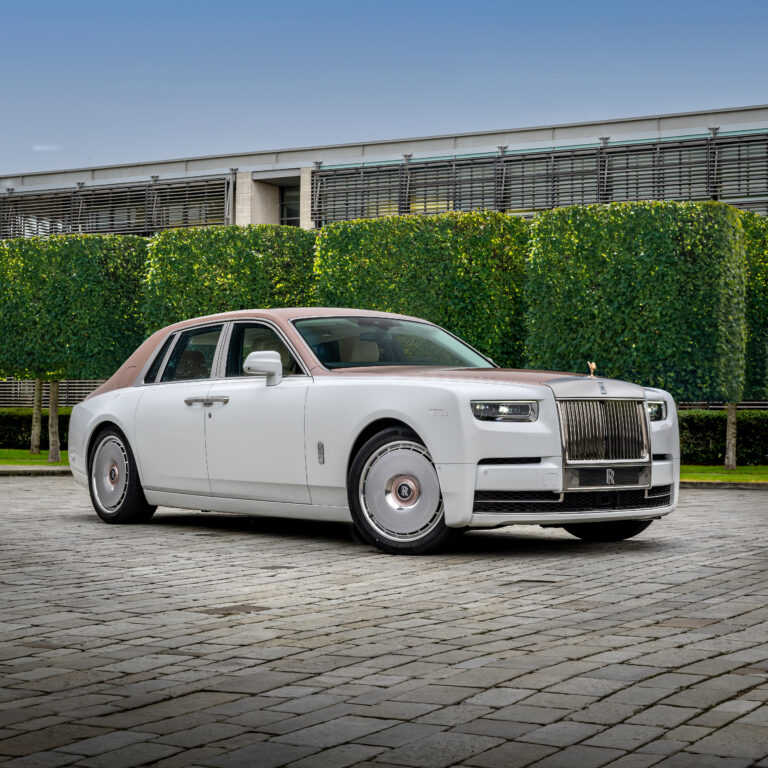
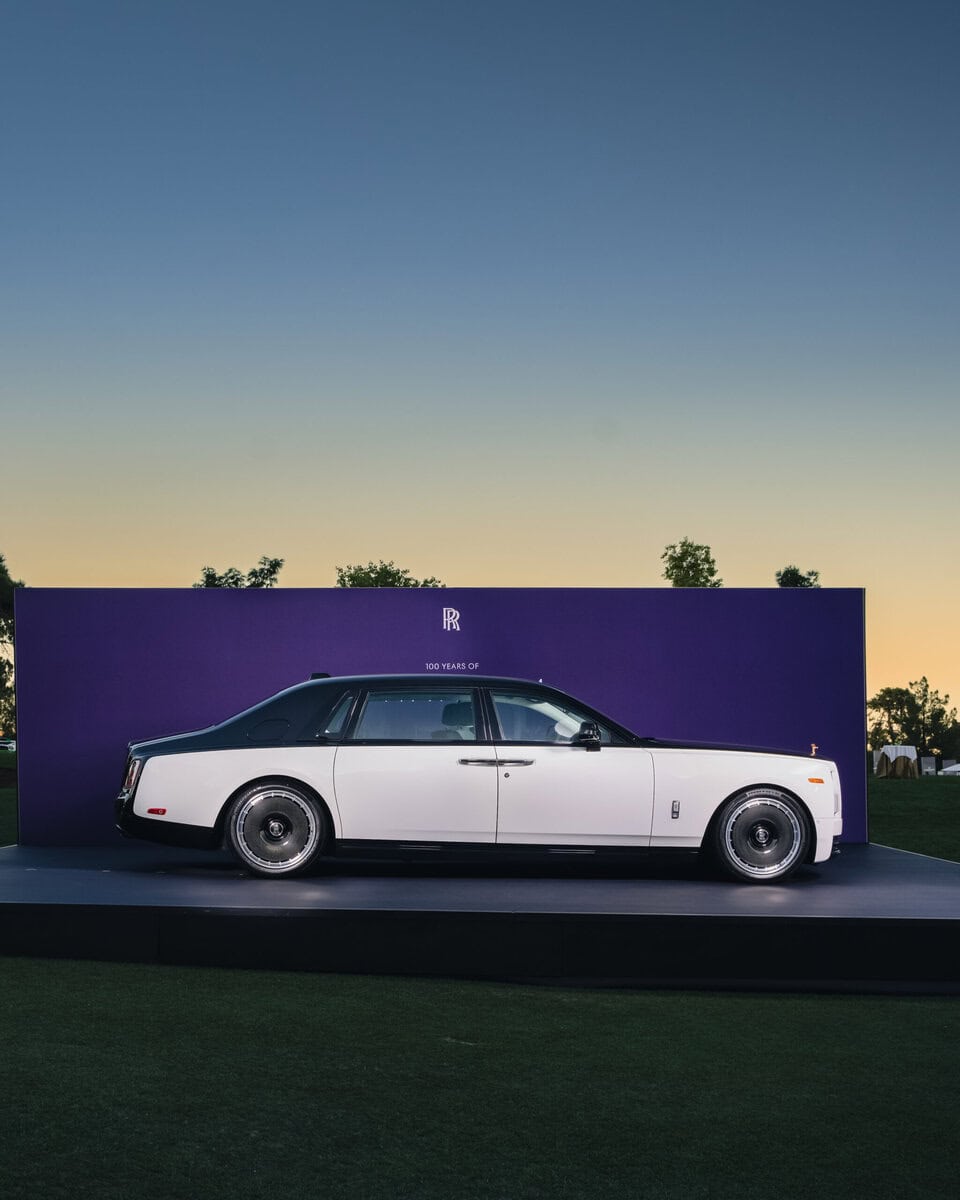
Rolls-Royce says 2025 was a banner year for Bespoke, with deliveries reaching 99% of target despite market volatility. It also frames the year through a set of creative themes and technical innovations drawn from the 5,664 motor cars created for clients worldwide in 2025. On its own, that’s a tidy corporate recap. The more important line is what follows: the company is spending more than $380 million on a Goodwood site extension to expand Bespoke and Coachbuild.
That’s not a decorative investment. That’s an operational bet that the demand for complex customization is structural, not seasonal. Rolls-Royce says initial technologies will move into the new space in 2026, with full completion expected before the end of the decade. If you’re trying to understand where “luxury” is heading in the car business, that timeline tells you Rolls-Royce thinks the next chapter is long, not fleeting.
For the brand’s own definition of what “Bespoke” is meant to represent, you can see the official framing on Rolls-Royce Bespoke. The process is closely linked to how Rolls-Royce deepens client relationships through its global studio model, which it describes under Rolls-Royce Private Office.
You may also like: The Winners and Losers of 2025: What Americans Really Bought
Why does this matter right now?
Because the luxury car world is quietly shifting from “what model did you buy?” to “what did you make?”
Rolls-Royce says North America remained the brand’s largest region in 2025, accounting for approximately one-third of global deliveries, with deliveries in North America matching 2024 levels despite a volatile market. That’s interesting, but it’s not the sharpest insight. The sharper insight is that Bespoke “flourishes” when buyers decide the point of luxury isn’t simply owning something expensive, it’s owning something specific.
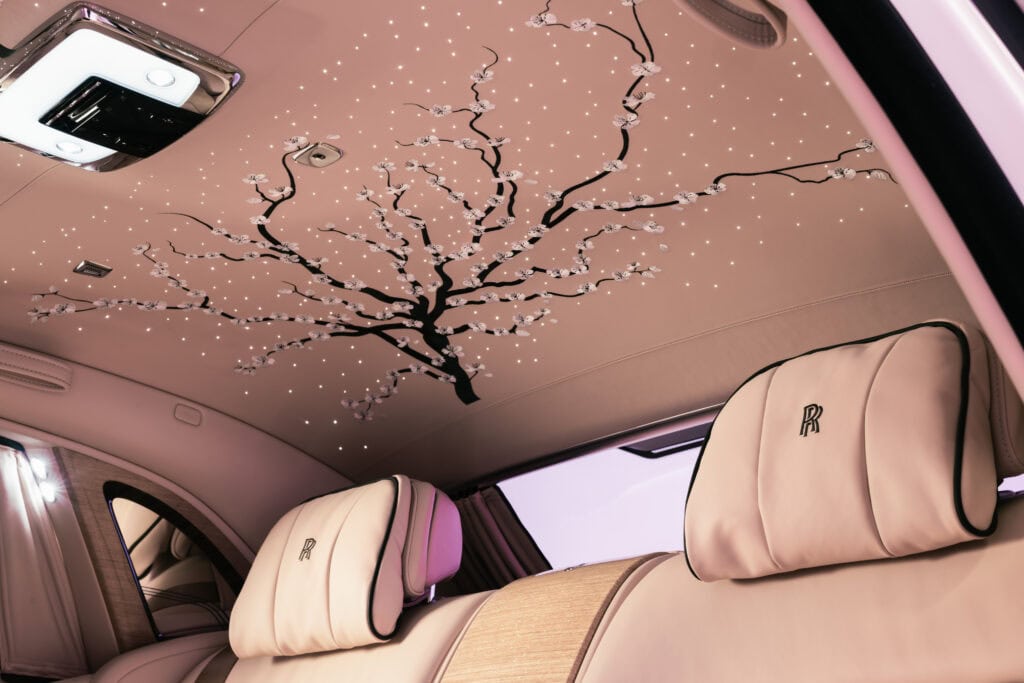
In plain terms, Bespoke is what happens when a car stops being a product and becomes a commission. The client isn’t choosing between a few packages; they’re shaping narrative, symbolism, and material execution. Rolls-Royce’s own examples are unusually direct about how personal those commissions can be. One commission (“Spectre Soulmate”) honors a couple’s lifelong journey with a Starlight Headliner that replicates the constellations above Kuala Lumpur on the day their story began, and the date discreetly engraved into the car’s air vents. Another (“Spectre Bailey”) is a one-of-one tribute to a beloved family dog, including a hand-painted paw-print coachline and an 80-piece marquetry portrait made from nine veneer species.
Then there’s “Cullinan Cosmos,” commissioned by a family fascinated by space. Rolls-Royce says it features the marque’s first fully hand-painted Starlight Headliner, created over 160 hours using 20 layers of paint, with star cluster motifs and an Illuminated Spirit of Ecstasy intended to glow like a distant star.
If you strip away the brand and the price bracket, the underlying human impulse is familiar: we like our things to reflect our lives. The difference is that Rolls-Royce has built industrial capability around that impulse. It has people, processes, suppliers, and quality systems designed to handle variance without collapsing into chaos. That’s the quiet, practical reason the Goodwood expansion matters. The company is signalling it needs more space, more tooling, and more capacity for the kind of work that doesn’t behave like normal automotive production.
It’s also why this story has relevance beyond Rolls-Royce. High-end luxury tends to act like a laboratory. Not because mainstream brands copy the same materials or the same level of craft, but because they copy the idea that personalization is the new premium. What begins as a one-of-one headliner becomes, a few years later, more configurable interior lighting, more bespoke-style trim palettes, and more “signature” personalization features further down the market.
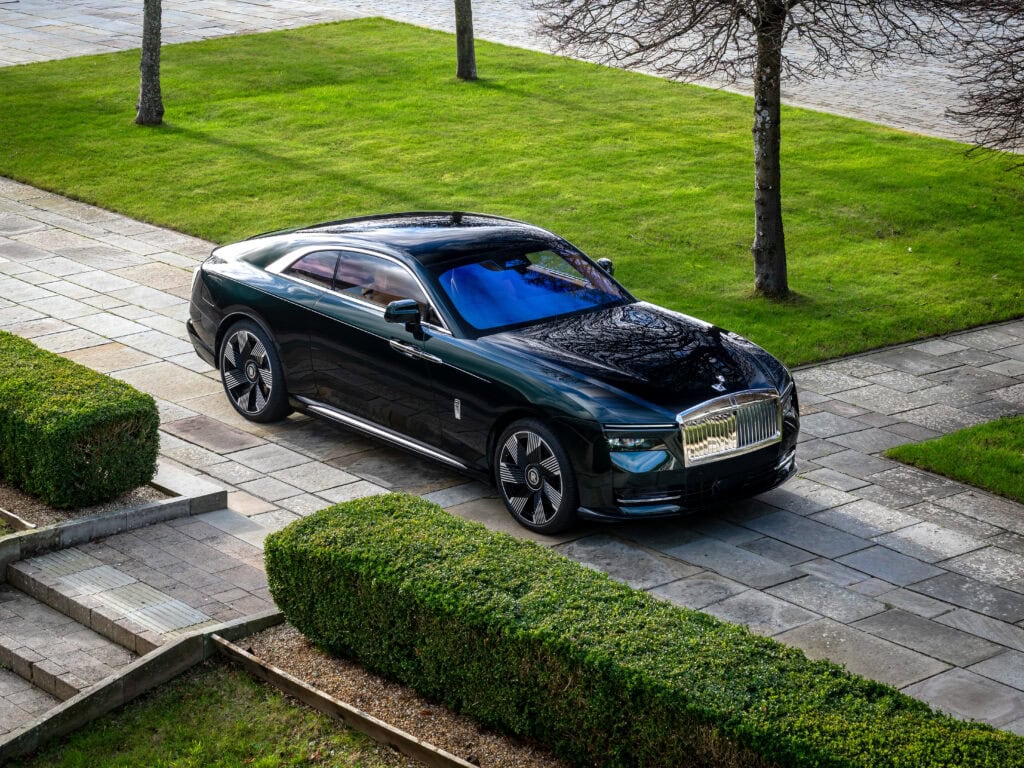
Rolls-Royce says the Cullinan was the most requested model in 2025, and the Spectre was the second most popular commission. That pairing is useful because it suggests that a luxury SUV and a luxury EV can both be treated as creative canvases, not just body styles. You can see how the brand positions each model for clients on the official pages for Rolls-Royce Cullinan and Rolls-Royce Spectre.
You may also like:From Formula One to Family Driveways: Why GM’s Global Racing Bet Matters
You may also like: The Ultimate Car Lover’s Vacation Isn’t Europe Anymore
How does it compare to rivals or alternatives?
The luxury world has no shortage of personalization programs. Bentley has Mulliner. Ferrari has Tailor Made. Porsche offers Exclusive Manufaktur. Aston Martin has Q. Lamborghini offers Ad Personam. Mercedes-Maybach and Range Rover have their own higher-end customization options. All of them can do beautiful colors, leatherwork, stitching, wheels, veneers, and one-off touches that feel special.
Where Rolls-Royce plays a slightly different game is in the willingness to treat the client’s narrative as the primary design brief, and then bend technique and process around it. In its 2025 summary, Rolls-Royce points to innovations like three-dimensional ink layering, marquetry and embroidery, 24-carat gold leafing, and hand-painted Starlight Headliners. Those aren’t simply “choices.” They’re production challenges: new tolerances, new finishing sequences, new quality checks, and sometimes entirely new ways of combining materials.
It’s also about how the commissioning experience is structured. Rolls-Royce highlights how its Private Office locations drive “more creative and valuable commissions,” and calls out the first full year of operation for its Private Office in New York as a factor supporting stronger Bespoke activity in North America. That matters because the commissioning experience is part of the product at this end of the market. The best rivals in bespoke aren’t just competing on what the car looks like; they’re competing on how the client feels while it’s being created.
That said, it’s worth being fair: rivals can beat Rolls-Royce at specific parts of the luxury experience depending on what you value. If your definition of luxury is a sports-car heart with a bespoke suit on top, Ferrari and Porsche can be more naturally aligned with that goal. If you want something that feels exquisitely finished but less extroverted in public, Bentley can be the quieter choice. And if your priority is leading-edge EV architecture and software experience rather than traditional craft, some modern electric luxury brands may feel more relevant than hand-finished veneers or embroidery, depending on your taste.
You may also like: Ram Race For The Seat: This Truck Brand Is Rewriting NASCAR
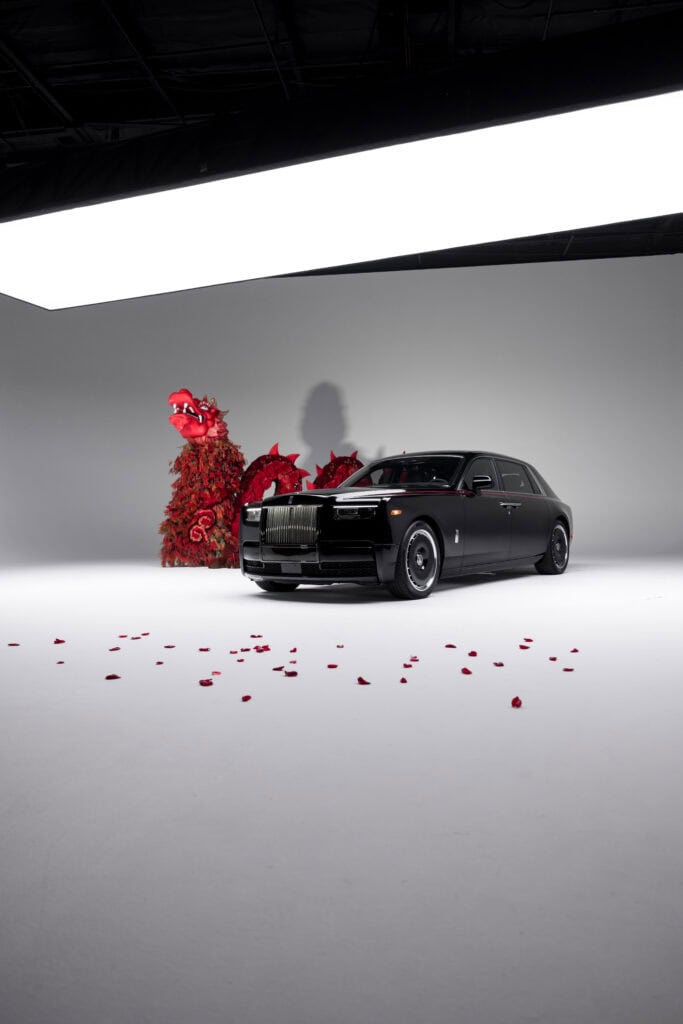
So the clean comparison is this: Rolls-Royce appears to be leaning hardest into narrative-led, craft-heavy, one-of-one execution at the top of the market, supported by a commissioning network and a major expansion of production capability. Others compete brilliantly on performance-led luxury, understated grand touring heritage, or tech-first modernity. None of those are “better” in absolute terms; they’re different definitions of what luxury is supposed to do.
Who is this for and who should skip it?
This story is for anyone who wants to understand where the high end of the car world is going—even if you’ll never buy a Rolls-Royce.
If you’re a car enthusiast, Bespoke tells you what the industry thinks “special” looks like now. It’s no longer just cylinders, speed, or even rarity of model. It’s cultural reference, personal milestone, and material execution that borders on museum craft. If you work in branding, design, retail, or luxury services, it’s a case study in how a company sells a “creative partnership” rather than simply selling a product.
If you lease a normal car and roll your eyes at the ultra-rich, this is still useful because it reveals the trickle-down pattern. Mass-market brands don’t copy gold leaf, but they do copy the idea that customers want more control and more individuality. You see it in curated color palettes, special-edition storytelling, unique interior themes, and personalization software profiles that remember how you like your car to behave.
Who should skip it? If you only care about rational value, performance-per-dollar, or the practical realities of maintenance, insurance, and depreciation, bespoke luxury won’t help you decide what to buy next. And if luxury culture genuinely drains you, then yes, this can feel like a parallel universe—because it is.
But even for sceptics, the Goodwood investment is the point. A company doesn’t commit more than $380 million to expanding bespoke capability because of a brief mood. It does it because it believes the appetite for customization, story, and high-touch commissioning is growing and will remain durable for years.
You may also like: Cars Are Now on Faster Networks Than Their Drivers
What is the long-term significance?
The long-term story here isn’t “rich people buy expensive things.” The story is that personalization is becoming the core definition of luxury, and the companies that can operationalize it will build a durable moat.
First, bespoke is defensible. If a brand can deliver genuinely complex one-offs reliably, it’s hard for competitors to replicate quickly. You can copy a feature list. You can copy a marketing line. You can’t easily copy a craft ecosystem, a trained workforce, and a production system designed to handle high variance while maintaining consistent quality.
Second, bespoke builds stickiness. A client who spends months commissioning a car that embeds family history, a favorite place, or private symbolism is less likely to treat the next purchase as a simple comparison-shop exercise. The relationship becomes part of the value. Rolls-Royce’s emphasis on Private Office as a driver of more ambitious commissions fits that logic neatly.
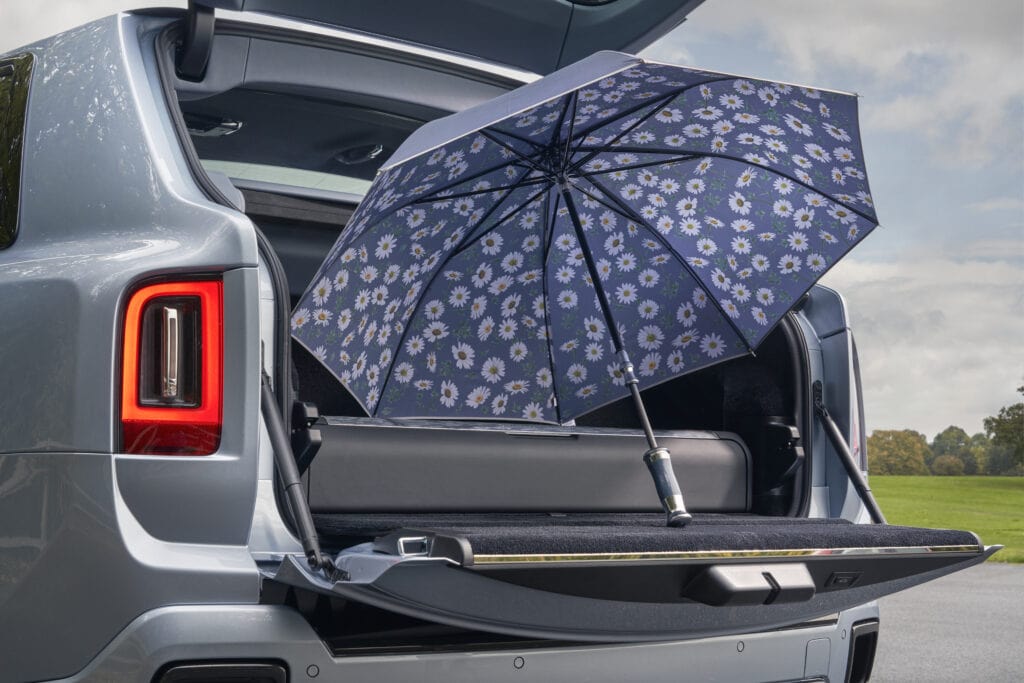
Third, Rolls-Royce is also hinting that “Bespoke” is expanding beyond the driveway. In its 2025 summary it says requests for luxury lifestyle objects increased 13 percent year over year. That’s a strategic move: it extends the commissioning mindset into the home, normalizes the idea that you can personalize high-value objects the same way you personalize a car, and gives the brand relevance beyond the moment you park the vehicle.
Fourth, the rise of bespoke sits alongside the maturation of electric luxury. Rolls-Royce notes that Spectre was the second most popular commission in 2025. Whether you love or hate the idea, it shows something important: at the top end, an EV can be treated as a cultural object and a creative canvas, not merely a technology statement. The brand isn’t asking clients to choose “electric versus gasoline” as an identity. It’s presenting electric as another medium for the same bespoke storytelling.
Finally, that Goodwood expansion points toward a broader industry lesson: premium growth may become less about chasing volume and more about deepening value per customer. Not every brand can do Rolls-Royce-level craft, and not every buyer wants it. But the direction—more personalization, more narrative, and more sense of ownership beyond a finance contract—will spread because it aligns with what many people quietly want: a car that feels like it fits them.
Rolls-Royce calls Goodwood the “Home of Rolls-Royce,” and it’s useful to see how the brand frames that place and its craft culture on the official Home of Rolls-Royce page. It explains why an expansion there isn’t just a factory story; it’s an identity story.
You may also like: Queen Elizabeth II’s Land Rover & Range Rover Fleet
The sensible way to look at all this is not with envy or cynicism, but with curiosity. Bespoke at Rolls-Royce is extreme by design, but it highlights a very human truth: we like our cars to feel like they belong to us, not the other way around. The interesting part is that one of the world’s most traditional luxury marques is betting hundreds of millions that this truth will only get stronger.