Why Ferrari’s $640K EV Luce Has Everyone Arguing

The Ferrari Luce EV has sparked fierce debate over design, price, influence, electric performance, and whether Ferrari can move into the future. Ferrari has spent decades teaching the world that emotion is worth money. Not just speed. Not just engineering. Emotion. The sound of a V12 climbing toward the heavens, the shape of a hood that looks like it was drawn by someone who had never once considered cupholders, and the feeling that practicality is something other people buy when they give up.
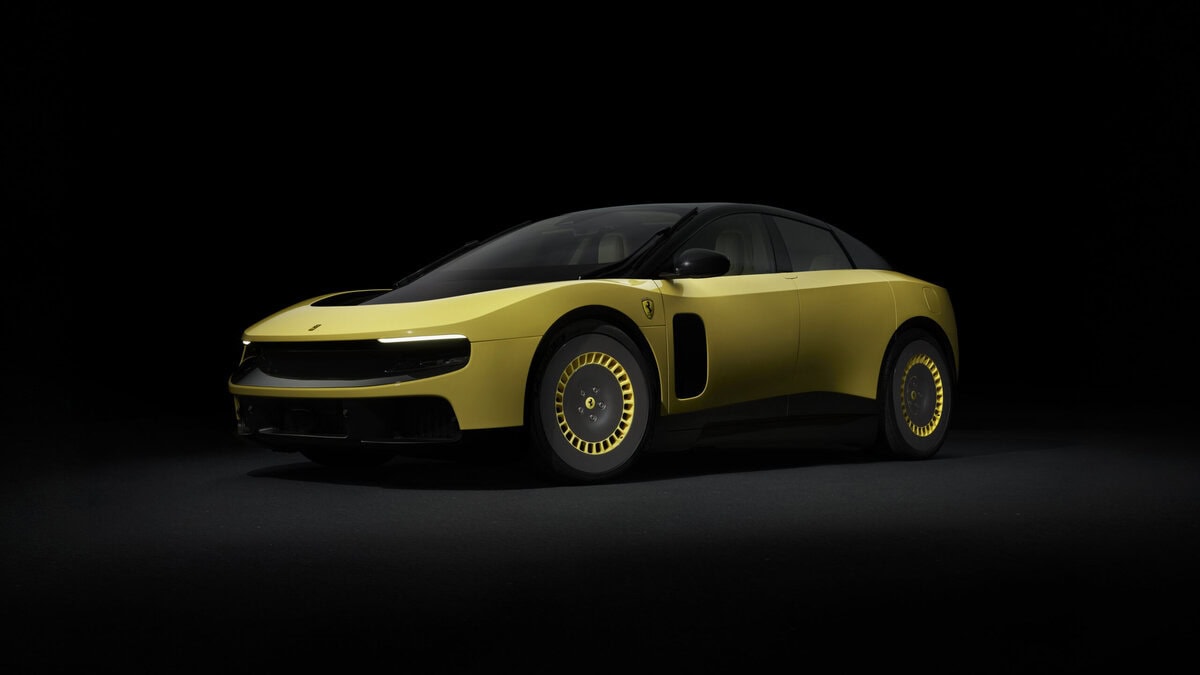
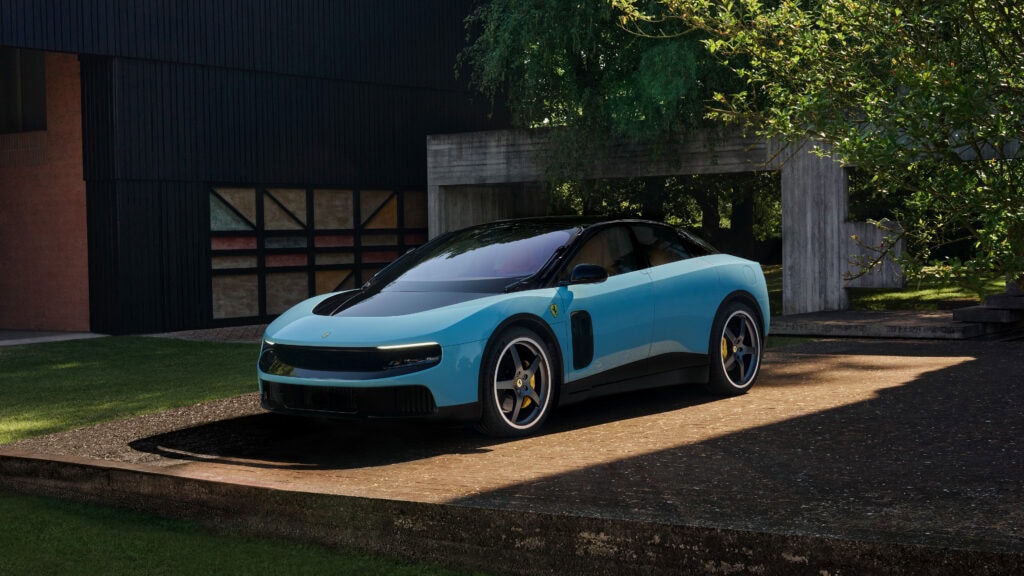
That is why the Ferrari Luce EV has caused such a spectacular argument. Ferrari’s first fully electric production car is not a two-seat wedge, not a track-focused weapon, and not a low-slung sculpture created only to frighten valet attendants. It is a four-door, five-seat electric Ferrari with serious performance, a huge price tag, and styling that has left the internet comparing it to everything from a Honda to a Hyundai to a Toyota Crown.
For most car companies, being compared to a Toyota Crown would not be an insult. For Ferrari, it is the sort of comment that makes a brand manager stare silently out of a window in Maranello for several minutes.
A Ferrari That Does Not Behave Like Ferrari
The Ferrari Luce is significant because it is not merely another expensive EV. It is Ferrari crossing one of the most emotionally charged lines in the automotive world. This is the brand most closely associated with combustion theater, racing bloodlines, mechanical drama, and engines that sound like they are personally offended by silence.
The Luce changes that equation. It replaces the familiar Ferrari fantasy of a shrieking engine with electric motors, battery power, and a new kind of performance identity. A battery electric vehicle uses a large battery pack and electric motor instead of an internal combustion engine, which changes not only how the car moves but also how it feels, sounds, and communicates with the driver.
Ferrari says the car is still about handling, steering feel, acceleration, balance, and emotional connection. That matters, because Ferrari buyers do not simply purchase transportation. They buy mythology with a warranty.
You may also enjoy: Ferrari Luce Reveal Divides Fans: What the Bold New Look Means for the Brand
The Jony Ive Factor
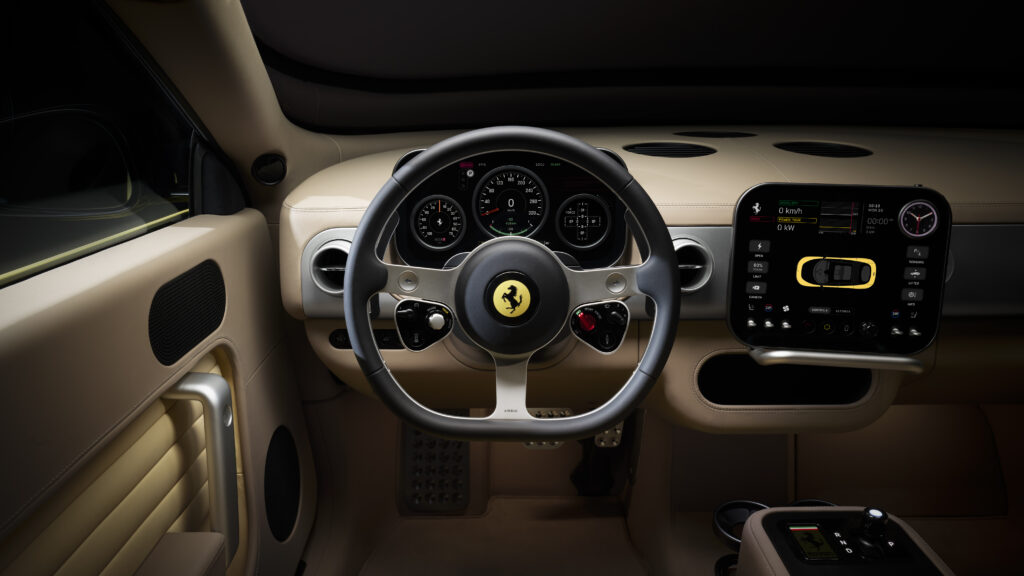
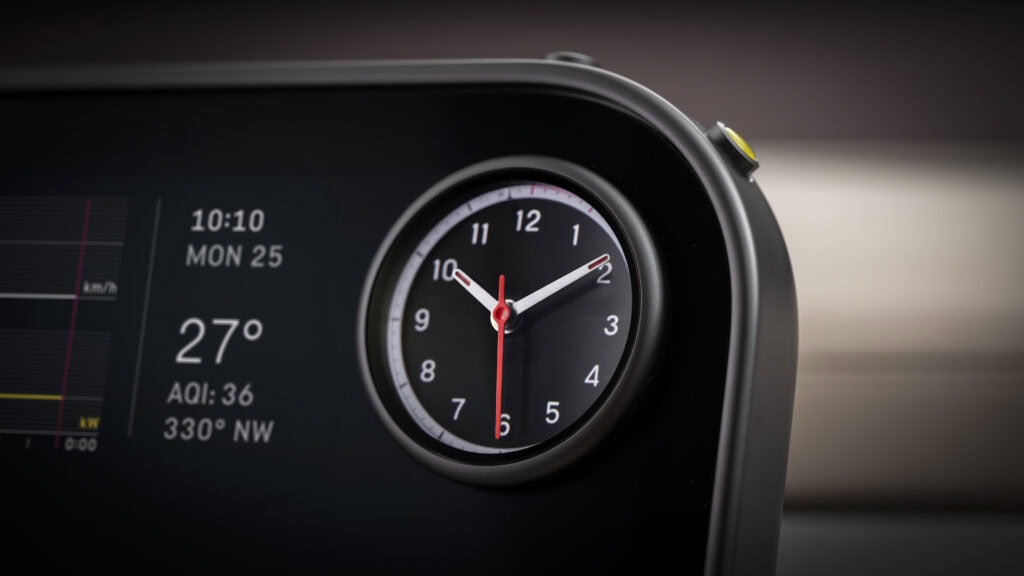
One reason the Luce became such an instant lightning rod is the involvement of Sir Jony Ive and LoveFrom. Ive is one of the most famous industrial designers of the modern era, best known for shaping Apple products including the iPhone, iMac, MacBook, and Apple Watch. His design language is associated with restraint, simplicity, smooth surfaces, and technology that feels almost inevitable.
That makes his involvement with Ferrari fascinating and dangerous. Apple design is about removing visual clutter. Ferrari design is often about managed excess. A Ferrari is supposed to look expensive, fast, emotional, slightly unreasonable, and very aware of itself. Apple’s best products, by contrast, often try to make complexity disappear.
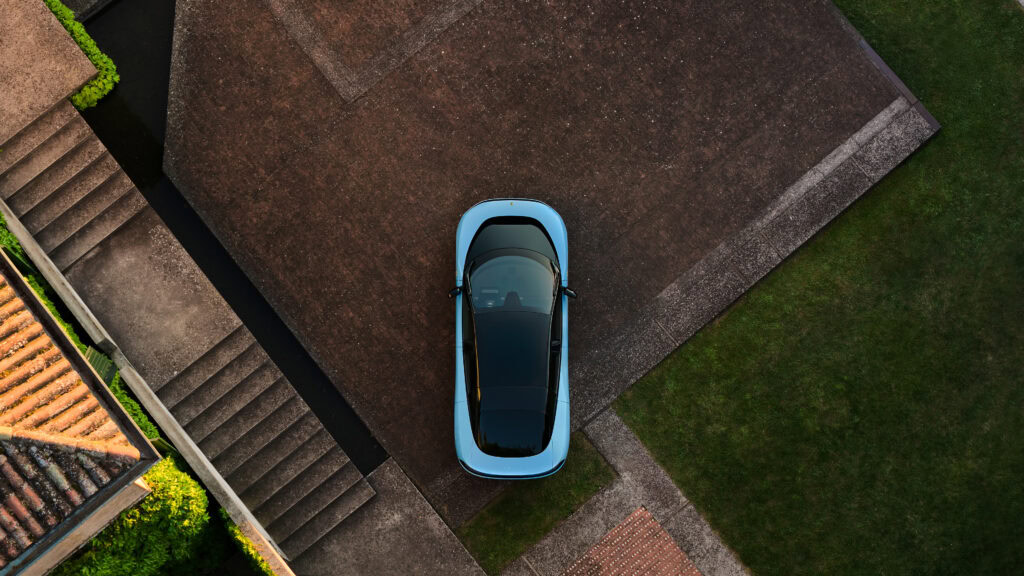
Those instincts appear to meet in the Luce. The car looks smoother, cleaner, and less traditionally aggressive than many Ferrari fans expected. It is not trying to be a modern F40 or an electric 812. It is trying to be something else: a high-performance luxury EV for a buyer who may care as much about technology, comfort, and design culture as engine heritage.
The Price Makes the Argument Louder
At roughly $640,000, the Ferrari Luce EV is not being positioned as a polite experiment. This is not a compliance car, a city runabout, or a cautious first step into battery power. It is a full-blooded Ferrari product with a price that places it deep inside the world of rare luxury machines.
That price explains part of the outrage. When a car costs more than many houses, people expect it to look like an event. They expect drama before the key is even involved. They expect neighbors to stop, children to point, and adults to pretend not to point. With the Luce, many online critics looked at the smooth shape and practical proportions and asked whether Ferrari had made something too sensible.
But that reaction also reveals something important. Ferrari may not be trying to win over people who want a traditional supercar poster. It may be targeting buyers who already own several Ferraris and want something different for a different part of life. A five-seat Ferrari with a large trunk, quiet operation, and serious electric performance could appeal to someone who wants the badge without giving up daily usability.
Electric range and efficiency will also matter, even at this price point. The EPA explains that EV range and MPGe testing give shoppers a way to compare energy use and driving distance, although luxury buyers may care just as much about convenience, repeatability, and confidence on longer trips.
You may also enjoy: Why the 2026 Lexus ES Could Make Luxury EVs Normal
Why Investors Got Nervous
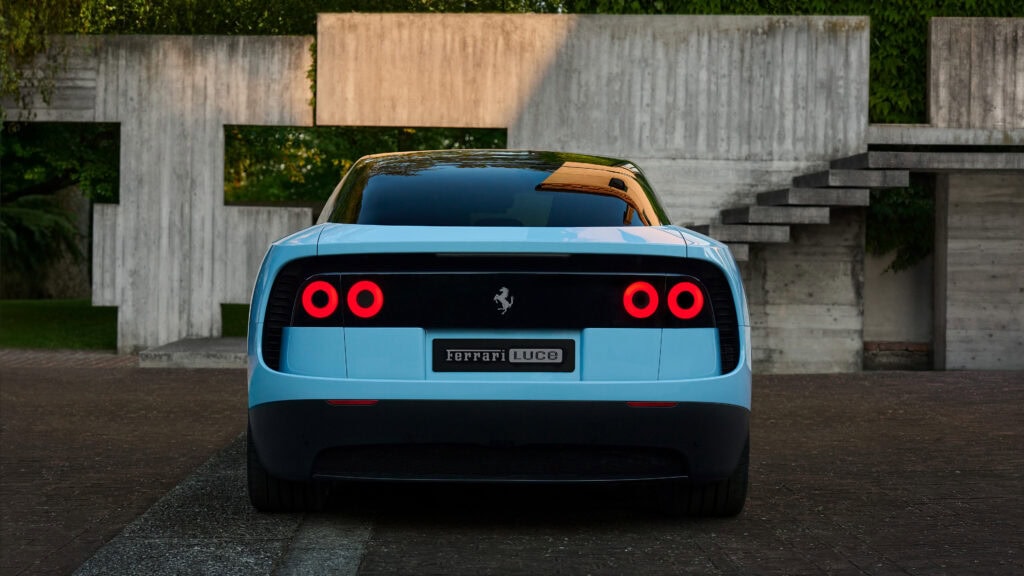
The stock market reaction was almost as dramatic as the social media reaction. Ferrari shares fell after the Luce reveal, suggesting investors were not instantly convinced that this was the perfect next chapter for the brand. That nervousness is understandable. Ferrari is one of the most valuable and profitable names in the car business precisely because it has protected its image so carefully.
Ferrari does not sell millions of vehicles. It sells scarcity, status, emotion, and confidence. Anything that appears to dilute that formula makes investors twitch. An electric Ferrari with five seats and divisive styling is not just a new model. It is a strategic statement.
The concern is not simply whether the Luce will sell. With Ferrari’s customer base and limited production, the company may not need huge volume for the Luce to matter. The bigger concern is whether the car changes the perception of Ferrari. If it attracts younger, tech-focused luxury buyers, it could help Ferrari stay relevant for decades. If it alienates purists without winning enough new customers, it becomes an expensive lesson in brand elasticity.
The Internet Saw a Honda, a Hyundai, and a Toyota Crown
The online response to the Luce was immediate and brutal, because the internet is where nuance goes to be beaten with a garden tool. Within hours, people were comparing the car’s smoother shape to mainstream EVs, sedans, and crossovers. Some saw hints of Honda. Others saw Hyundai. The Toyota Crown comparison may be the funniest, partly because the Crown is a perfectly good car and partly because no Ferrari owner wants to hear that sentence.
Design criticism is tricky because people often react before they understand proportion, surfacing, and intent. Cars can also look very different in person than they do in press photos or social media crops. Still, first impressions matter, and Ferrari first impressions matter more than most.
The Luce seems to reject the usual supercar costume. It is less about low, sharp, angry drama and more about a clean, glassy, futuristic luxury shape. That may age better than people think. It may also remain divisive forever. Some of the most important design shifts look wrong at first because people judge them against the past rather than the future.
You may also enjoy: Toyota’s Most Overlooked Hybrid SUV Is Actually Brilliant
Performance Still Has to Save It
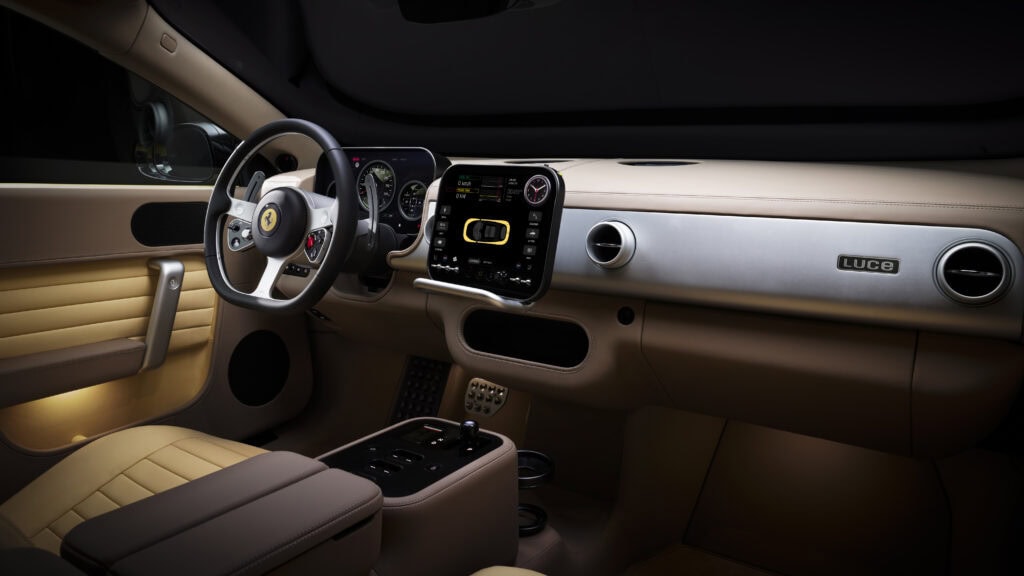
For all the noise about styling, the Luce will ultimately live or die by how it drives. Ferrari can survive a polarizing design. It cannot survive a boring driving experience. The moment a Ferrari feels numb, the badge begins doing too much of the work.
The reported performance figures are serious. Four electric motors, more than 1,000 horsepower, rapid acceleration, high top speed, and long-distance grand touring ability suggest Ferrari has not approached electrification timidly. Electric motors can deliver immediate torque, precise control, and astonishing acceleration. In theory, that gives Ferrari engineers a new set of tools for performance.
The challenge is making those tools feel emotional rather than clinical. Many fast EVs already exist. Some accelerate with the violence of a dropped piano. But Ferrari has never been about speed alone. It is about communication. The steering, brakes, throttle mapping, body control, and the way the car settles into a corner all have to feel alive.
Charging will also shape the ownership experience. The U.S. Department of Transportation explains that EV charging speeds vary widely by equipment type, from basic Level 1 charging to faster Level 2 and DC fast-charging options. For a Ferrari buyer, the question will be less about whether charging exists and more about whether it feels seamless enough for a luxury product.
You may also enjoy: Ferrari Did It. AMG Did It. Lamborghini Didn’t
The Sound Problem
Ferrari is reportedly using amplified natural vibration from the electric powertrain to preserve some sense of mechanical character. That idea will make purists suspicious, but the principle is understandable. Sound matters. Feedback matters. If an EV removes the engine note, engineers have to find other ways to give the driver information and drama.
This is where Ferrari’s job becomes harder than almost anyone else’s. A normal EV can be quiet and efficient. A luxury EV can be smooth and relaxing. A Ferrari EV must be quick, precise, emotional, valuable, and worthy of the badge. It has to feel like more than a battery with expensive leather.
Regenerative braking is one area where electric cars can develop their own personality. The Department of Energy’s Alternative Fuels Data Center explains that regenerative braking converts energy normally lost during braking into electricity and stores it in the battery. In a performance EV, how that system feels through the pedal and chassis can affect driver confidence as much as efficiency.
The Pope Made It Even Stranger
Just when the Luce story seemed strange enough, Pope Leo XIV appeared alongside the car. Ferrari’s delegation met him at Castel Gandolfo, and he received a Ferrari Luce steering wheel as a gift. He also had the chance to sit in the driver’s seat. There are normal automotive launch moments, and then there is the Pope examining a $640,000 electric Ferrari.
The image instantly gave the Luce a cultural life beyond the usual car world. It became not just a product reveal, but a symbol. Ferrari, electricity, luxury, controversy, tradition, technology, and the Vatican all collided in one photograph. That is not a normal press cycle. That is an automotive fever dream wearing Italian shoes.
Symbolically, it also worked better than Ferrari probably expected. The Luce is about transition. It is about an old institution confronting a new age. Ferrari, like any legacy brand, must decide how much tradition to preserve and how much change to accept. Seeing that car near the Pope made the whole thing feel oddly theatrical, even by Ferrari standards.
You may also enjoy: 2027 Lexus TZ Revealed: Lexus’ Quietest Electric SUV Yet
What the Luce Really Means
The Ferrari Luce EV is not just about whether one car looks beautiful, strange, elegant, or too much like something you might see near an airport hotel. It is about whether Ferrari can move into the electric era without becoming just another luxury technology company.
That is the real tension. If Ferrari clings too tightly to the past, it risks becoming a museum with a waiting list. If it moves too quickly into a digital, silent, minimalist future, it risks losing the emotional chaos that made people fall in love with the brand in the first place.
Battery safety, durability, and public confidence will also remain part of the wider EV conversation. NHTSA maintains information on electric and hybrid vehicle battery safety, including guidance around high-voltage systems and damaged batteries. Ferrari buyers may not be reading government safety pages before placing an order, but these issues still shape how the market understands electric vehicles.
The Luce appears to be Ferrari’s attempt to split the difference. It keeps the price, rarity, performance, craftsmanship, and exclusivity. It adds electric power, modern usability, five seats, more comfort, and a design language influenced by one of the most important technology designers of the last half century.
Final Thoughts
Ferrari may have created the most controversial EV of the year, but controversy is not the same as failure. The Luce has already done something most new cars cannot do: it has made people argue about what a brand should be. That is valuable, even when the comments are brutal.
Traditional Ferrari fans may never fully accept the idea of a quiet, electric, five-seat Ferrari. They may see it as a betrayal of everything Maranello is supposed to represent. But future Ferrari buyers may see something else entirely. They may see speed without guilt, luxury without inconvenience, technology without giving up status, and a Ferrari that fits more than one version of life.
The old Ferrari dream was simple: two seats, a glorious engine, and just enough luggage room for a toothbrush and poor planning. The new Ferrari dream may be more complicated. It may include rear seats, battery range, digital expectations, and a buyer who grew up worshipping the iPhone as much as the V12.
Has Ferrari lost its mind? Maybe not. It may simply understand that the next generation of wealthy buyers does not separate technology from emotion the way older enthusiasts do. Whether the faithful are ready for that is another matter entirely.
You may also enjoy: 2027 Mercedes-Benz EQS Raises the Luxury EV Bar