This Mandatory Window Sticker Fee Is Now Closing In on $3,000

You’ve probably noticed that new car prices haven’t exactly been heading in a friendly direction. The average transaction price for a new vehicle crossed $50,000 for the first time in late 2025, and while tariffs and inflation get most of the headlines, there’s another line item on your window sticker that’s been climbing for years. It’s called a destination fee, and it isn’t going anywhere.
Destination fees are what automakers charge to cover the cost of shipping a new vehicle from the factory to your dealership. They’re standardized across the contiguous United States, meaning a buyer in Miami pays the same amount as someone in Seattle for the same vehicle, regardless of how close they live to where it was built. That standardization might sound fair, but it also means there’s no market pressure to keep the fee reasonable.
Here’s the part that should get your attention. According to industry data, the average destination fee has jumped 67% since 2015, rising from $952 to $1,592 in 2026. And unlike a dealer markup or an optional package, you cannot negotiate it away. It’s non-negotiable, it’s baked into the price, and it’s getting larger every year.
You may also like: Why Your Next Truck Just Got More Expensive and Harder to Find in 2026
Truck and SUV Buyers Are Getting Hit the Hardest
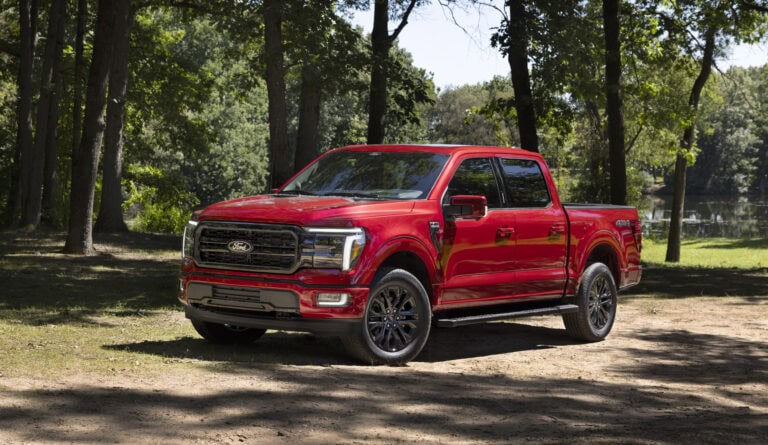
If you’re shopping for a pickup or a full-size SUV, the numbers are especially striking right now. The 2026 Ford F-150 carries a destination fee of $2,795, which adds more than 7% to the cost of a base XL trim that starts just under $40,000 before fees.
The 2026 Chevy Silverado and GMC Sierra also sit at $2,795, and GM’s increases have been particularly aggressive. Since April 2025, GM raised destination fees on its trucks three separate times, going from $1,995 on the 2025 Silverado all the way to $2,795 today. That’s an $800 jump, roughly 40%, in less than a year. The 2026 Ram 1500 comes in at $2,595, so none of the Detroit Three are offering truck buyers much relief right now.
The Cadillac Escalade sits at $2,895, and at the very top of the list is Alfa Romeo, which charges $3,250 across its entire lineup, including compact models like the Tonale that start well under $40,000 before that fee is added. It’s a number that’s hard to justify on a compact crossover, and it illustrates just how disconnected these charges have become from any straightforward logic about shipping costs.
You may also like: Best Full-Size Trucks in America for 2026
Why Destination Fees Keep Rising
Automakers have pointed to tariffs, supply chain pressures, and rising freight costs as the reasons behind the increases. GM has cited the broader trade environment and shifting supply and demand conditions, while Ford has described its destination charges as periodically reviewed to stay in line with what the rest of the industry is doing. Neither position fully explains why the fees have accelerated so sharply in such a short window of time.
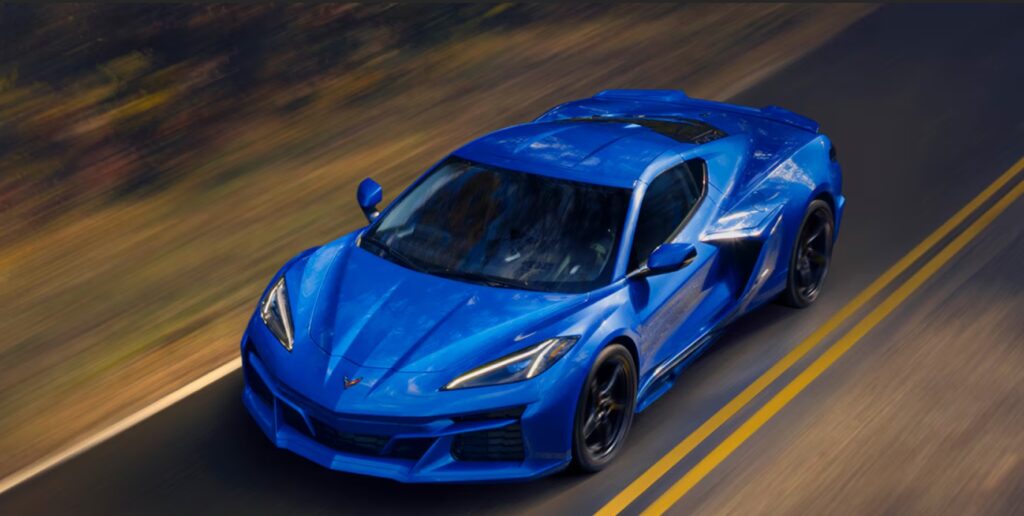
Consumer advocates have been pushing for automakers to include destination fees in advertised prices so buyers see the real number from the start. A Chevy Corvette buyer who arranges factory delivery in Bowling Green, Kentucky, picking their car up at the very plant where it was built, still pays the same destination charge as someone buying the identical car at a dealership across the country. Distance, it turns out, has very little to do with it.
You may also like: Surprising Car Subscriptions You’ll Pay for in Your New Vehicle
How to Factor Destination Fees Into Your Car Budget
The honest answer is that you can’t negotiate the fee itself away. But you can factor it into your total budget before you ever set foot on a lot, and you can compare fees across brands. European makes are actually charging less than many domestic models right now, with BMW ranging between $1,350 and $1,550 depending on the model, and Mercedes-Benz sitting at a flat $1,250 across its lineup.
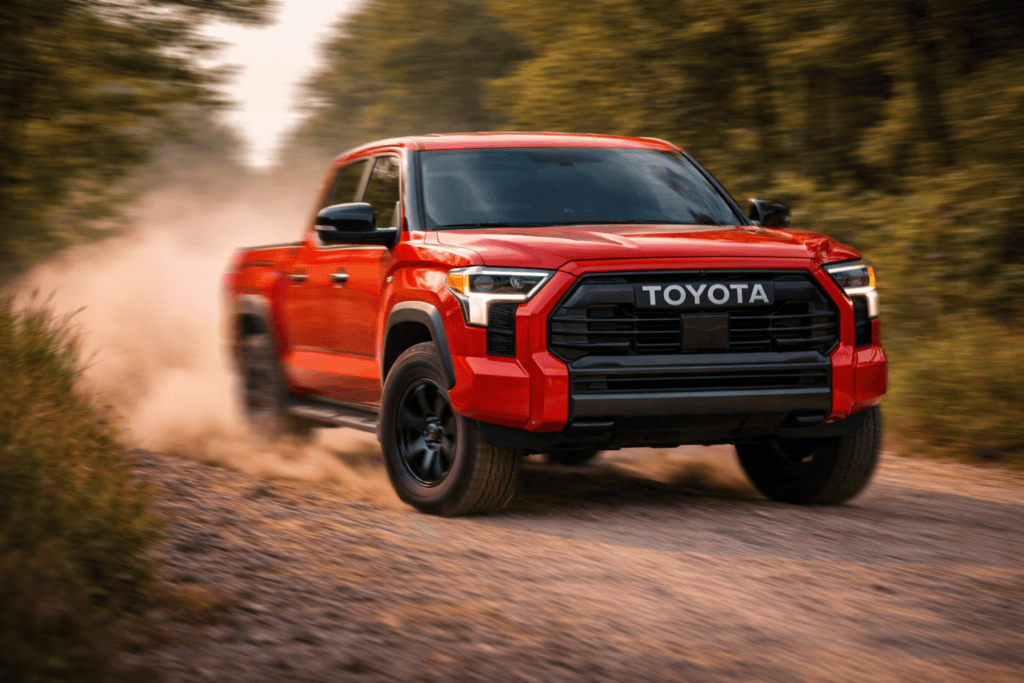
Toyota’s Tundra full-size pickup comes in at $2,095 in destination fees, meaningfully lower than its American full-size rivals, and the brand has kept its increases comparatively modest. The most practical thing any buyer can do is treat the destination fee as part of the vehicle’s real price from the very first search. If a truck is advertised at $42,000 and carries a $2,795 destination fee, the actual conversation starts at $44,795. Knowing that before you walk in keeps the final number from being an unwelcome surprise.