2027 Mercedes S-Class: The Flagship Gets Smarter

The 2027 Mercedes S-Class brings smarter lighting, plug-in hybrid power, rear-wheel steering, and flagship comfort to the luxury sedan segment.
What Makes the 2027 Mercedes S-Class Different?
The 2027 Mercedes-Benz S-Class arrives with a familiar job and a very modern toolbox. This is still Mercedes-Benz’s flagship luxury sedan, the car that has traditionally introduced the technology everyone else quietly borrows five years later. But this version has a more complicated mission. It has to feel traditional enough for loyal S-Class buyers, digital enough for the next generation, efficient enough for a changing luxury market, and comfortable enough to remind SUV shoppers that a proper sedan still has a point.
Mercedes says more than half of the car is new, with more than 2,700 parts redesigned or updated. That matters because this is not simply a new grille, a fresh badge, and some shinier software. The 2027 S-Class has been reworked across lighting, powertrain, comfort, suspension, cabin technology, driver assistance, and ride refinement. In other words, Mercedes has gone through the car like a very determined German hotel inspector.
You may also enjoy this: Mercedes-Benz Opens World’s Most Advanced Light Center.
A Bigger Face With Smarter Headlights
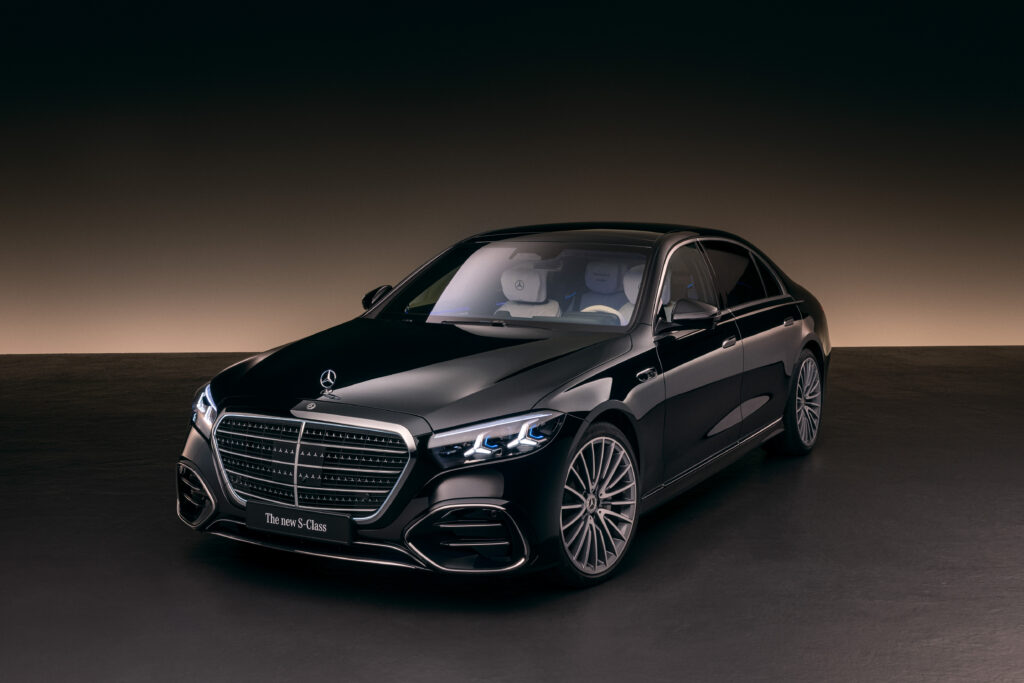
The first thing most people will notice is the front end. The grille is larger, the badge can illuminate, and the car has more visual presence than before. Subtlety has not been murdered exactly, but it has certainly been asked to leave the building. For a luxury flagship, that is not necessarily a mistake. In a market crowded with high-riding luxury SUVs and electric status symbols, the S-Class needs to look important before it even moves.
The headlights are more interesting than the grille. Mercedes uses advanced micro-LED lighting technology designed to shape the beam around other vehicles. Instead of simply blasting the road ahead, the system can manage light more precisely, improving visibility while reducing glare for other drivers. That may sound like a small detail, but it is exactly the sort of technology that matters in daily life. Night driving is stressful. Better light makes it easier. Better light that does not annoy everyone else is even better.
For readers who want the technical context, the National Highway Traffic Safety Administration explains how adaptive driving beam headlights can provide more useful illumination while reducing glare for oncoming or preceding vehicles.
Gas, Hybrid, and Plug-In Hybrid Power
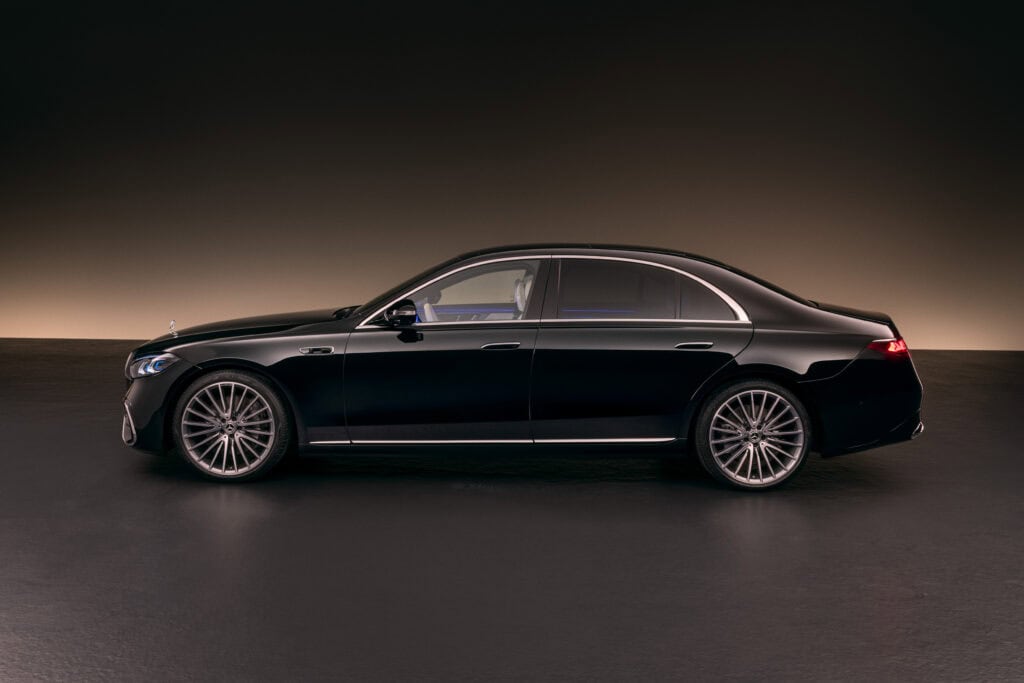
The powertrain lineup follows that same logic. Buyers can choose from smooth gas power, a plug-in hybrid, and a V8. The S 500 uses a six-cylinder engine with mild-hybrid assistance. The S 580 brings V8 performance for buyers who still want effortless speed with a proper luxury soundtrack. Then there is the S 580e plug-in hybrid, which may be the most useful version for many owners.
A plug-in hybrid electric vehicle uses both an electric motor and an internal combustion engine, allowing the vehicle to drive on electricity for some trips and gasoline for longer journeys. In the S-Class, that combination makes sense for luxury buyers who commute, run errands, and attend meetings within a predictable daily radius but still want the freedom to drive long distances without planning every stop around a charger.
You may also enjoy this: 2027 Mercedes-Benz EQS Raises the Luxury EV Bar.
Why the Plug-In Hybrid May Make Sense
Full battery-electric vehicles are improving quickly, but not every buyer wants to rely entirely on charging infrastructure. A plug-in hybrid gives owners a quieter electric experience during routine driving while keeping the flexibility of gasoline for longer trips. In the S-Class, electrification is not merely about fuel economy. It is about smoothness, silence, and instant response.
The Department of Energy notes that plug-in hybrid electric vehicles can travel moderate distances on electricity before the gasoline engine takes over. That makes the technology especially useful for drivers who want lower fuel use in town but do not want to depend entirely on public charging for longer trips.
There is also a useful distinction between a plug-in hybrid and a standard hybrid electric vehicle. A conventional hybrid cannot be plugged in. It charges its battery through the engine and regenerative braking. A plug-in hybrid can also be charged externally, which is why it can usually drive farther on electric power alone.
You may also enjoy this: 2025’s Best and Worst Plug-In Hybrid Cars Ranked.
Ride Comfort Is Still the Main Event
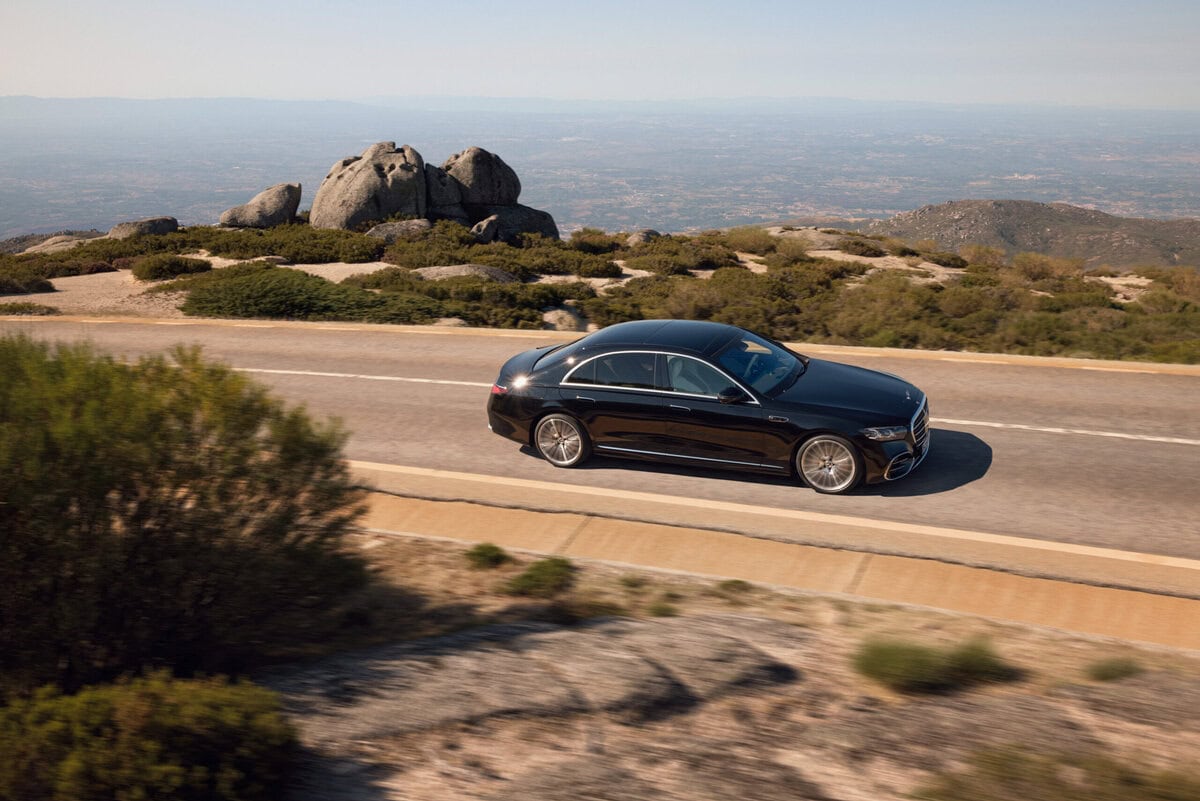
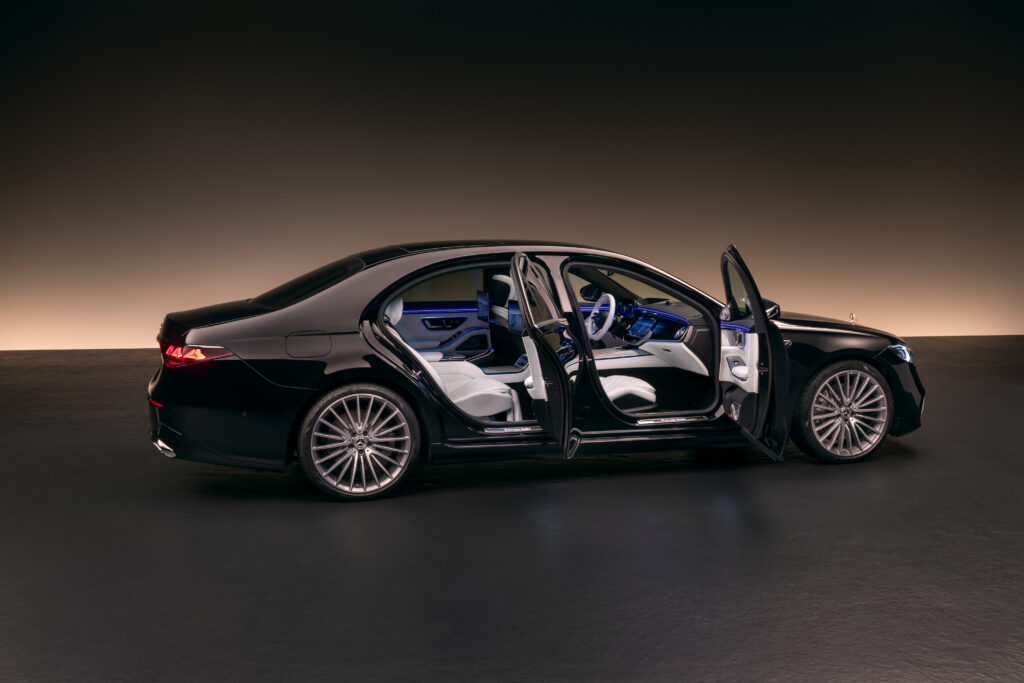
Ride comfort is where the S-Class has to be exceptional. The 2027 model uses air suspension with intelligent damping, designed to keep the cabin smooth and composed even when the road is doing its best impression of municipal neglect. The available active suspension technology can prepare the car before it reaches bumps, using cameras and sensors to read the road ahead and adjust the suspension in real time.
That sounds technical, but the benefit is simple. Passengers feel less movement. The cabin stays calmer. Bad pavement feels less personal. At low speeds, the S-Class can glide in a way that makes potholes seem like problems for other people.
Rear-wheel steering also helps make the big sedan easier to live with. At parking speeds, the rear wheels can turn slightly to reduce the turning circle, making the car feel smaller in tight spaces. In city streets and parking garages, that is not a party trick. It is the difference between looking composed and performing a seven-point turn while pretending everyone is not watching.
You may also enjoy this: 2027 Mercedes-Benz GLE Review: Bigger Screens, Smarter Tech, and Real Luxury.
A Cabin Built to Remove Irritation
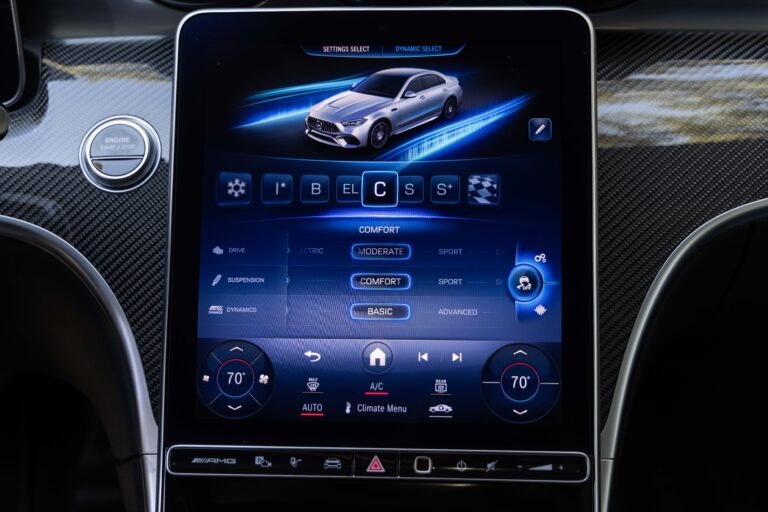
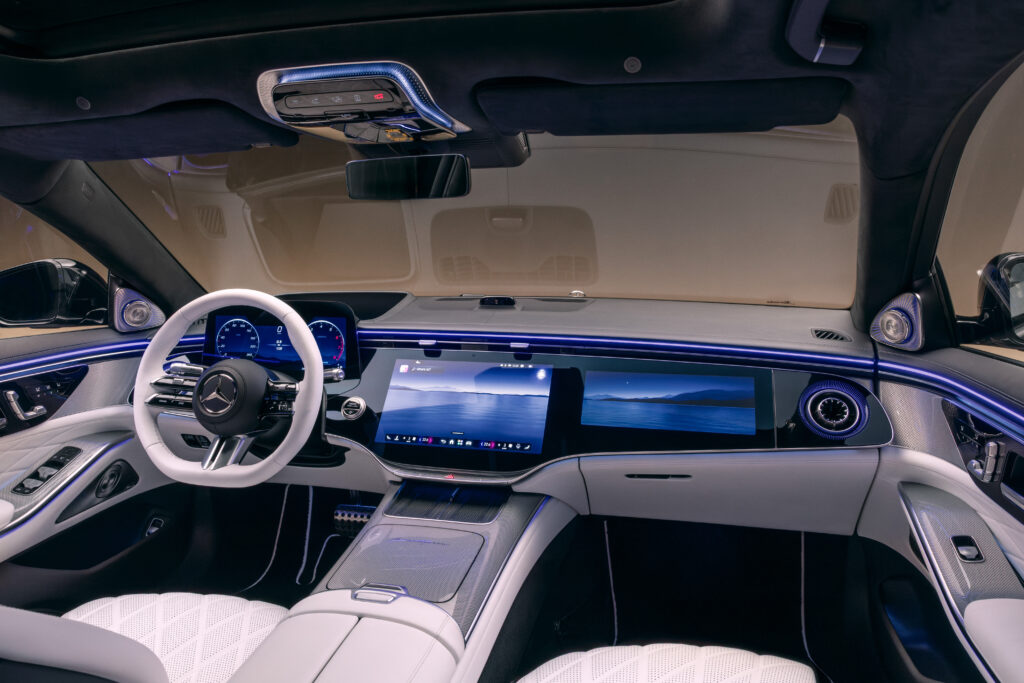
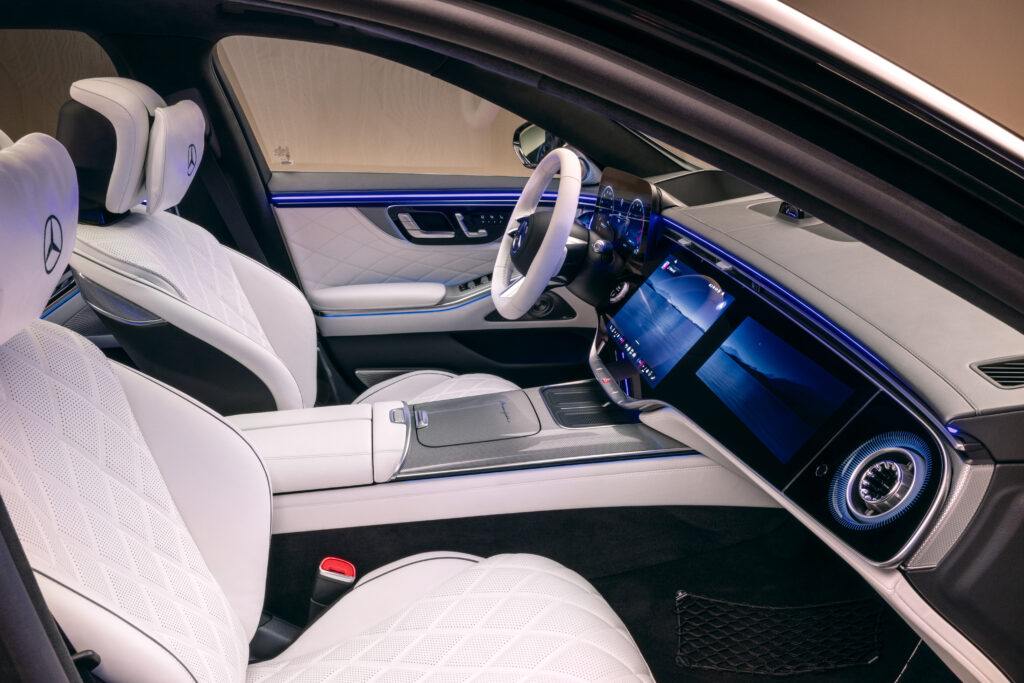
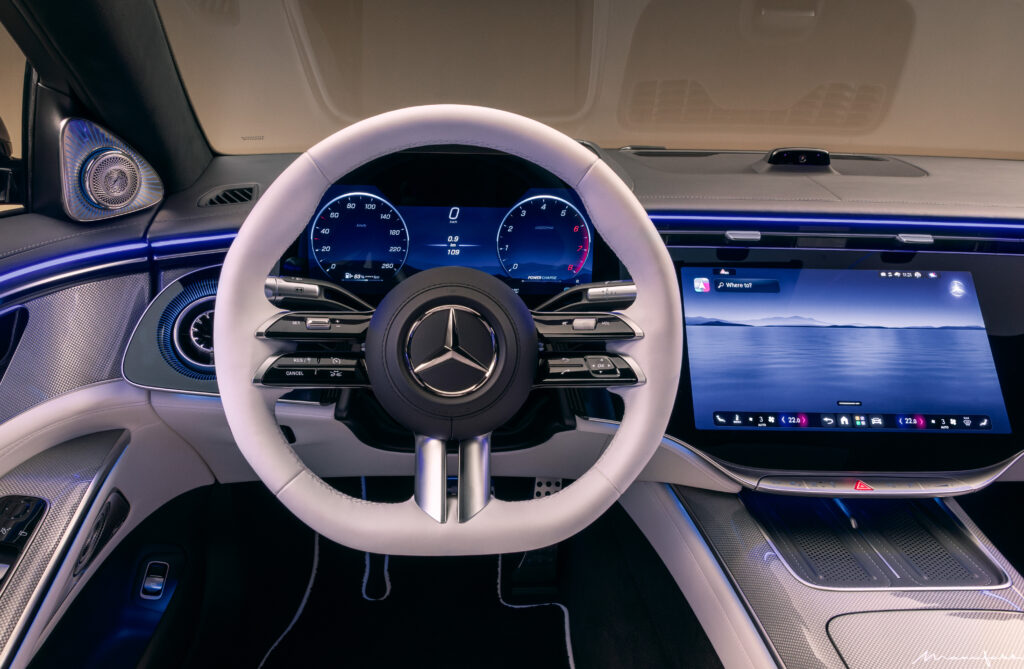
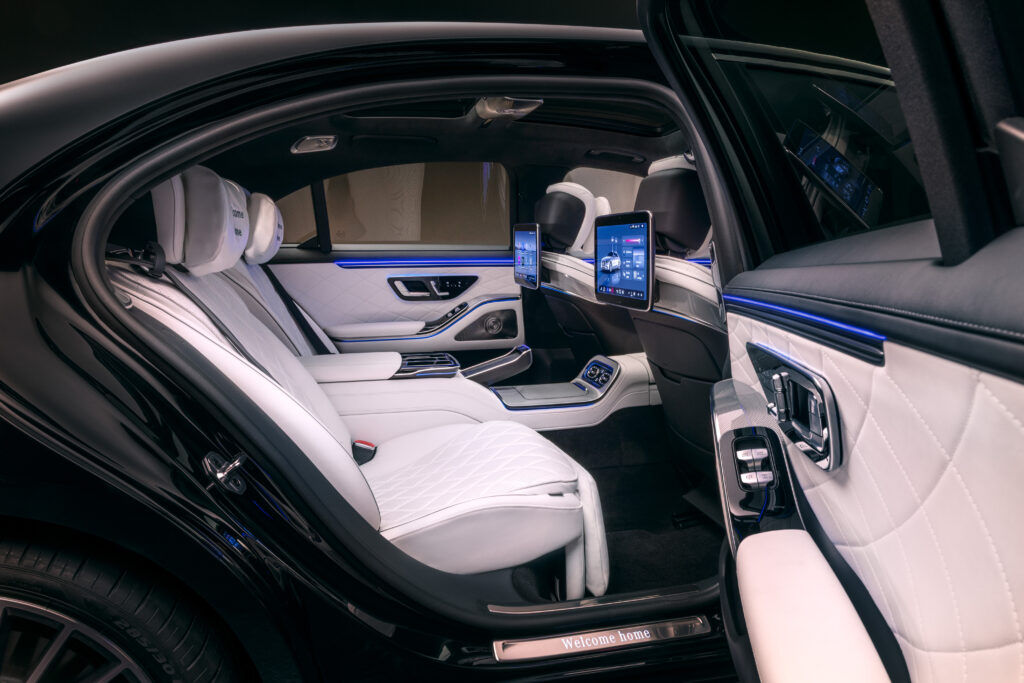
Inside, the 2027 S-Class doubles down on digital luxury. The latest MBUX system and Mercedes-Benz operating software bring a more connected cabin, while the MBUX Superscreen and available rear-seat entertainment help turn the car into a rolling lounge, office, cinema, and quiet escape pod. This is a car built for people who may drive themselves, be driven, or spend equal time doing both.
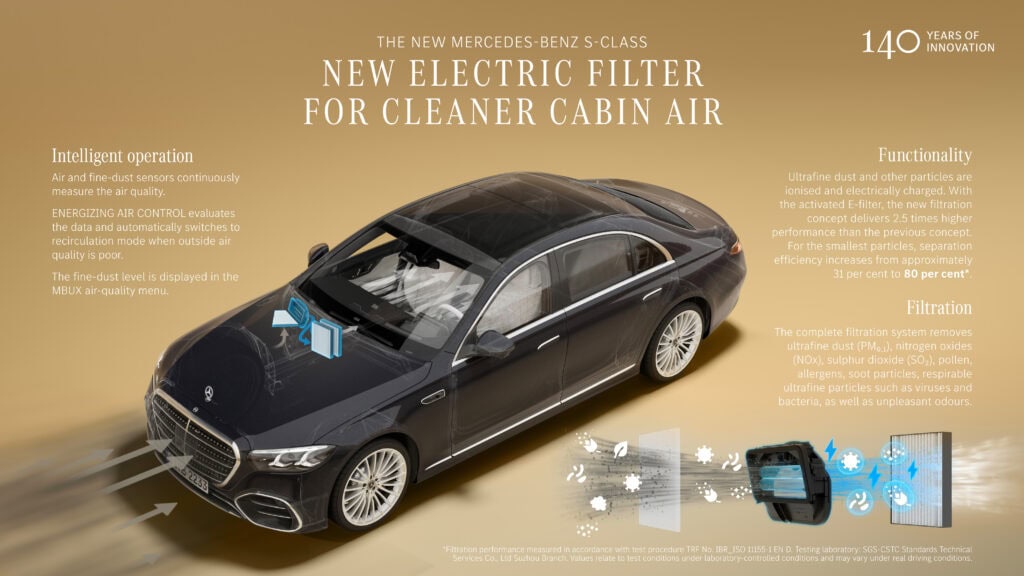
The cabin also includes the sort of details that increasingly define modern luxury: air filtration, sound insulation, heated seatbelts, active ambient lighting, massage functions, wireless charging, high-output USB-C ports, and premium audio. These features may not all make headlines, but they matter because daily comfort is built from small conveniences. A luxury car should not merely impress people at the curb. It should reduce irritation every time you use it.
That includes air quality. The Environmental Protection Agency explains why indoor air quality matters in enclosed spaces, and that principle applies directly to luxury cabins. A quiet cabin is nice. A quiet cabin with cleaner filtered air is better. As more buyers think about pollution, allergens, wildfire smoke, and general urban grime, filtration becomes more than a technical footnote.
Driver Assistance That Still Needs a Driver
Driver assistance is another major part of the update, but it needs careful framing. The S-Class can assist with steering, lane changes, traffic recognition, parking, and reversing along a previously driven path. These systems can reduce stress on long trips and make tight spaces easier to manage. But this is not a self-driving car. The driver is still responsible. That distinction matters because modern cars can sound more autonomous than they truly are.
The National Highway Traffic Safety Administration explains driver assistance technologies as systems that can help with specific driving tasks, not replace the driver. That is the important difference. The best driver assistance systems do not make the driver lazy. They make the driver less tired.
You may also enjoy this: Used Car Airbag Warning: The Risk You Can’t See.
The Luxury Sedan Still Has a Job
The S-Class still faces serious competition. The BMW 7 Series is bold, digital, and unapologetic. The Audi A8 remains understated and technical. The Lexus LS offers traditional quiet luxury. The Genesis G90 has become a genuinely credible alternative with strong value and design presence. Meanwhile, luxury SUVs continue to steal attention from sedans.
Yet the S-Class still has a unique role. It is not trying to be everything to everyone. It is trying to be the best version of a flagship sedan. That means elegance, quiet, balance, effortless power, and technology that serves comfort rather than shouting over it. An SUV may offer more cargo space and a higher seating position, but a sedan like the S-Class still delivers a different kind of sophistication.
You may also enjoy this: New Mercedes-Benz GLS Review: S-Class Luxury SUV Refined.
Final Verdict: The S-Class Still Predicts the Future
The real story of the 2027 Mercedes-Benz S-Class is not one feature. It is the way all the features work toward the same goal. The lighting helps you see. The suspension softens the road. The rear-wheel steering shrinks the car. The plug-in hybrid quiets the drive. The cabin filters the air. The screens organize the experience. The driver assistance reduces fatigue.
That is why this car still matters. Most people will not buy a six-figure luxury sedan. But many of the ideas that start in the S-Class eventually spread through the industry. Better lighting, smoother hybrid systems, smarter driver assistance, cleaner cabins, and more intuitive software will not remain exclusive forever.
The 2027 Mercedes-Benz S-Class is larger in presence, smarter in execution, and more digital than before. It is not subtle, and it is certainly not inexpensive. But it remains one of the few cars that still feels like a preview of where luxury is headed.
The slightly worrying thing is that the S-Class is usually right.